

Early Days in the Ring
Mark “The Hammer” Daniels didn’t grow up with a silver spoon—he grew up with calluses, discipline, and a single-minded focus. Boxing was his way out. In his twenties, Mark trained relentlessly: early mornings, brutal sparring sessions, bruises, sweat, and the constant fear (and adrenaline) that every fight might be his last chance to step up. His wins earned him recognition, local titles, and respect. But the reality was that the ring only carried you so far: as injuries mounted, as age crept in, income was never guaranteed, and life outside the sport loomed uncertain.
The Turning Point

After a particularly bad shoulder injury forced Mark to take off months, he had time to think. What would he do when he couldn’t fight anymore? He had always had a sharp mind: in sparring, he’d watch opponents and think two moves ahead; he studied the way promoters negotiated contracts; he listened in on gym rats about nutrition, discipline, mental toughness. He realized many of the skills that made him a good boxer could serve well in business: resilience, strategy, risk management, focus under pressure.
But the transition was far from smooth.
Struggles in Transition

Identity Loss
Saying “I am a boxer” had defined him. When boxing was no longer possible, Mark wrestled with who he was. Without the ring, the gloves, the crowd—he felt lost. That identity crisis made every other decision harder: what career to pick, whether he deserved success outside of fighting.
Lack of Formal Business Experience
While he had discipline and fight-readiness, he had no business degree; knew little of accounting, marketing, networking; had never run a P&L statement. Potential clients and employers often looked past what he didn’t have rather than what he did.
Financial Instability
Between medical bills, periods without work, and the cost of retraining, Mark’s financial runway was thin. He sometimes took odd jobs—boxing coach, gym cleaner—to make ends meet. Investments in courses or mentoring were expensive, with no guarantee of payoff.
Mental and Physical Fatigue
The physical toll of years in the ring meant injuries, chronic pain, slower recovery. The mental fatigue—failure, losses, rejection—left emotional scars. When he tried entering the business world, he discovered a different kind of fatigue: rejection from hiring bodies, skepticism from clients, impostor syndrome.
Networking Gap
Boxing circles are one thing; business networks another. He had few contacts in corporate settings, limited exposure to mentors or people who understood strategic consulting. Cold outreach felt awkward; being taken seriously by executives felt like an uphill battle.
Learning and Growth

Despite these challenges, Mark gradually built from the ground up. Some of the key steps:
Formal Education & Self-Learning: Mark took online courses in business strategy, took workshops in coaching, read business books. He also shadowed consultants, attended local business meetups, learned how to craft proposals, deliver value.
Leveraging Transferable Skills: He realized that many traits his boxing career had endowed him with—resilience, discipline, ability to read people, mental toughness, staying calm under pressure—were exactly what businesses needed in tumultuous times.
Niche Positioning: He didn’t immediately try to become a general consultant. Rather, he focused on consulting for sports gyms, wellness brands, physical training businesses. He understood those industries; he had credibility there. As he proved his value, he was able to branch out.
Building Credibility: Mark shared his story—his losses, his hurt, his comeback. He wrote blog posts, spoke in workshops, used social proof (testimonials from small clients), delivered small wins consistently. Each successful client was a stepping stone.
Mentorship & Coaching: He found coaches who believed in him—not just boxing coaches but business mentors—people who showed him how to build a brand, how to price services, how to manage cash flow.
Balancing Vulnerability & Authority: He didn’t hide his past. In fact, he leveraged it: many clients were inspired by someone who had fought in a literal ring, who understood struggle. That gave him authenticity. But he also avoided letting the past define him; he projected confidence and competence.
Becoming a Business Consultant
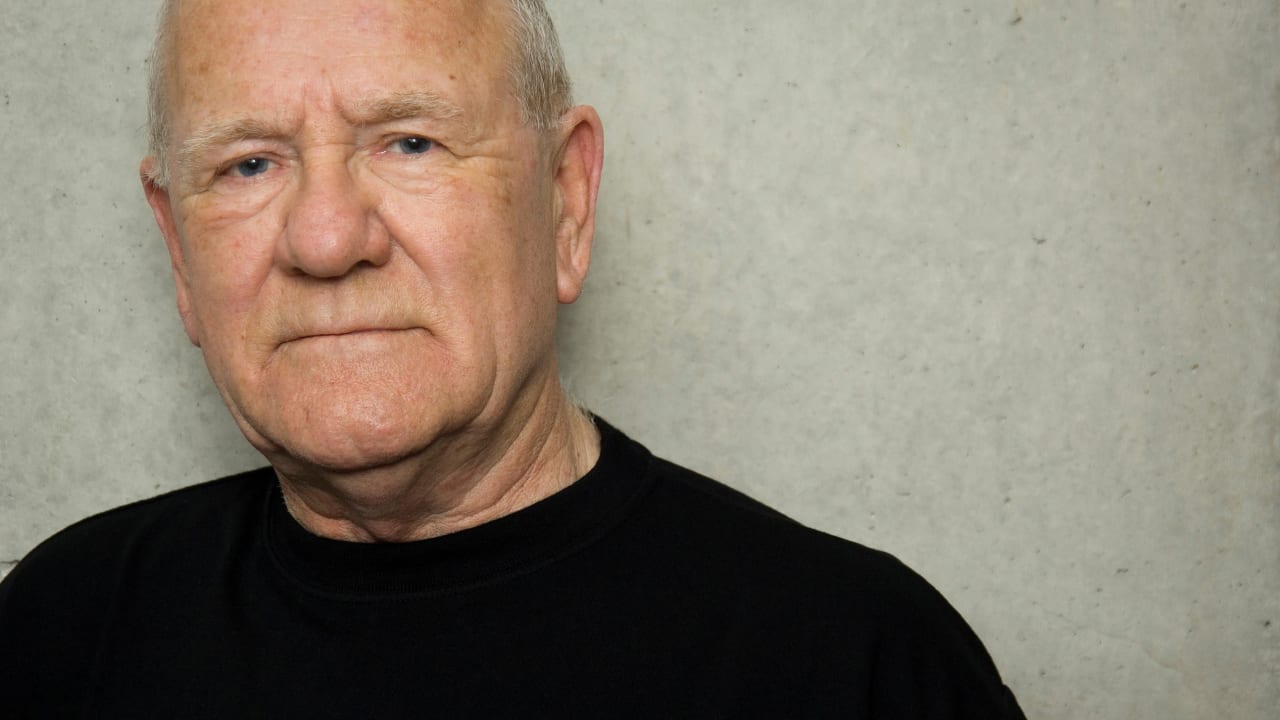
After a few years of hard work, Mark made the leap. He launched “Fighter’s Edge Consulting,” offering business strategy, mindset coaching, operations advice especially for small to mid-sized fitness, wellness, and performance brands. Here are some of the turning points:
First Breakthrough Client: A local gym was struggling with membership retention. Mark devised a plan combining customer feedback, improved class scheduling, better staff training. Within six months, retention climbed 30%. That case study became his proof point.
Scaling & Systems: He built repeatable systems: intake calls, templates for audits, dashboards for tracking growth. He realized that his consulting could only scale (and produce income consistency) if he avoided reinventing the wheel every time.
Branding & Marketing: Mark invested time (and money) in building a professional website; he shared success stories; he networked via podcasts and local business groups. He positioned himself as someone who “transformed performance, in the gym and in business.”
Diversified Offerings: Aside from one-on-one consulting, he added group workshops, webinars, even online courses, so there were multiple income streams.
Lessons Learned

Authenticity matters: Clients don’t just buy services—they buy someone they can trust. Mark’s story of struggle and comeback was his unique selling point.
Persistence beats talent when talent doesn’t persist: Mark’s boxing taught him to keep getting up. That same mentality helped him survive the many rejections, small failures in business.
Lean beginnings are okay: He didn’t need fancy offices. He started with what he had: an internet connection, knowledge, grit.
Continuous learning is non-negotiable: Business shifts. Strategy shifts. What worked one year may not work the next. Mark had to keep up.
Community & mentorship accelerate growth: Having people to guide, challenge, cheer, critique you is huge.
Where “We Thrive Within” Comes In
Based on what they describe on We Thrive Within (tailored consulting, strategic insights, workshops, transformation through strategy) We Thrive Within, someone like Mark could find a strong partner here. The services — strategy development, consulting, workshops — match exactly what he needs both to build his own consulting business and to help clients. The model of guiding businesses with proven growth strategies, offering actionable insights, and helping clients define and reach goals is very similar to what a former boxer turned consultant would want to deliver.